
Featured in "The Viral ‘October Theory’ Might Be the Reset You Need Before 2027"
In this VICE feature, Bisi shares insight into the viral “October Theory” and why the fall can feel like a natural time for a reset. She explains how the transition into fall can reignite motivation and encourage people to revisit goals without the pressure that often comes with January 1st. The piece explores how October can be used to assess what is and isn’t working, create sustainable routines, and focus energy on realistic goals before the year comes to a close.

Featured in “Your Brain Forgets Your Wins. A Brag Folder Can Help”
Featured in TIME: Bisi Gbadamosi, LMHC, shared expert insight on why high-achieving individuals often struggle to acknowledge their own accomplishments and how keeping a record of wins can help challenge self-doubt and build a more balanced sense of self-worth.

Featured in “25 Ways to Manage Work Stress and Avoid Burnout”
Featured in Meditech Today, Bisi discusses strategies for managing workplace stress by creating intentional time blocks for administrative and non-client-facing tasks. She emphasizes that constant task-switching contributes to cognitive fatigue and emotional exhaustion, particularly in helping professions. By scheduling structured CEO days, Bisi illustrates how professionals can regain control over their workload while preserving energy for client-facing work. The article underscores the role of intentional planning in preventing burnout.

Featured in “Protect Therapist Energy and Prevent Burnout During Heavy Weeks”
In this Counselor Brief feature, Bisi shares how intentionally scheduling "CEO days" helps protect therapist energy during particularly demanding weeks. Rather than filling every available hour with client sessions, she advocates for dedicated administrative time to tackle important behind-the-scenes tasks at a sustainable pace. Bisi explains how this approach reduces emotional spillover, prevents overwhelm, and creates more space to show up fully present for clients.

Featured in “God Is Good- Even Now”
this InspiritEncourage feature, Bisi shares insight into navigating difficult emotions while maintaining faith. The conversation explores the misconception that trusting God means always feeling positive or at peace and highlights the importance of emotional honesty. Bisi discusses how allowing yourself to acknowledge difficult feelings can create greater space for healing without viewing those emotions as a reflection of your faith.

Featured in “Validating Racial Battle Fatigue in Session”
In this Psychologist Brief feature, Bisi shares insight on how therapists can validate racial battle fatigue within the therapy room. She highlights the importance of naming the cumulative stress caused by racism rather than minimizing it as everyday stress. Bisi emphasizes how intentional validation helps clients feel seen, understood, and less alone in their experiences. The piece explores how culturally responsive care can create space for deeper healing.

Featured in “Why Color Walks Are Resonating Right Now”
In this 21Ninety feature, Bisi shares insight into why the simple practice of color walks is gaining traction as a grounding tool for anxiety. Highlighting how this trend helps people slow down, shift focus to the present moment, and interrupt anxious thought patterns, Bisi explains how color walks invite play and curiosity into daily life. The piece also explores how this accessible activity can be especially meaningful for Black women seeking moments of rest and presence in the midst of life’s demands.
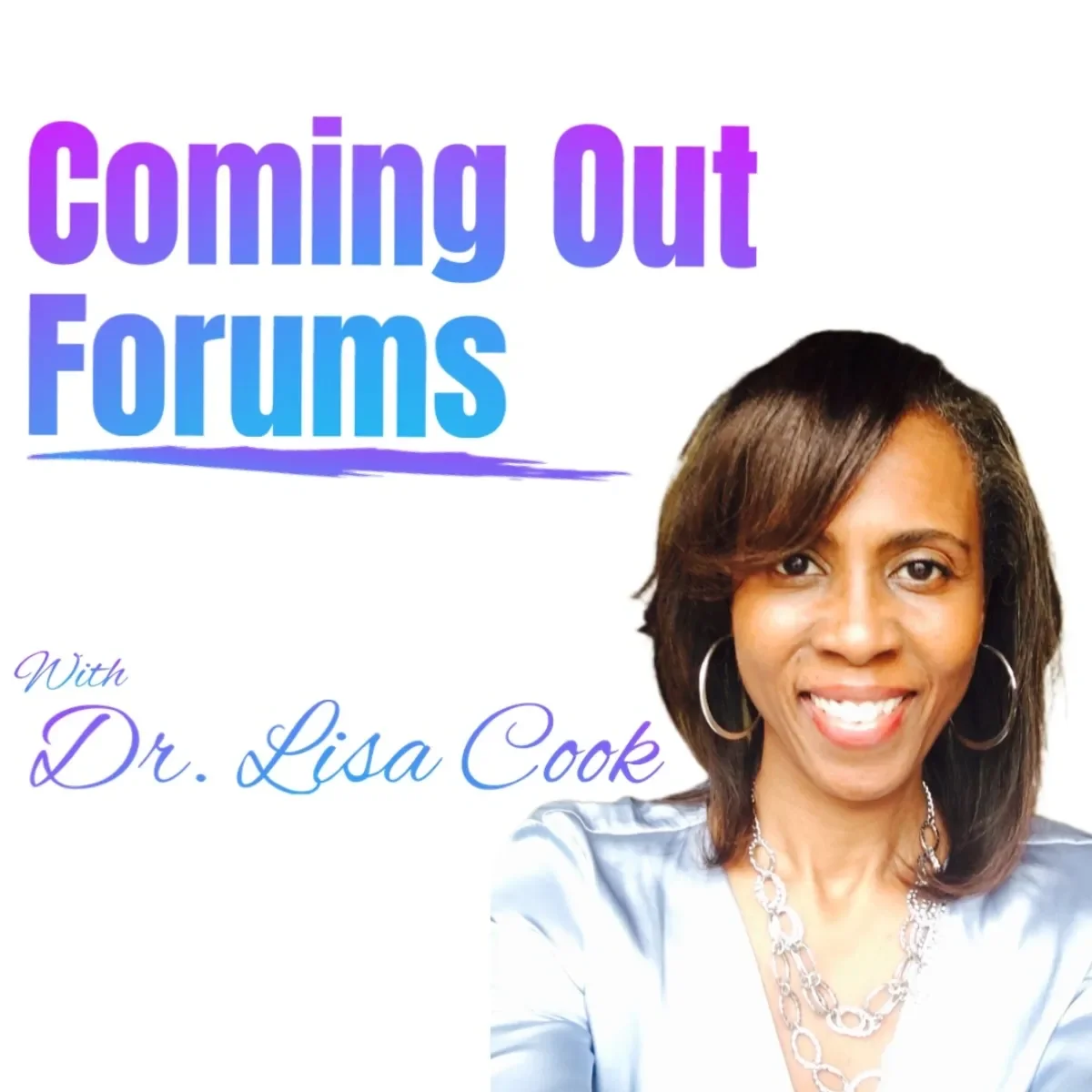
Feautred in “Healing From Religious Trauma ~Dr. Lisa Cook & Bisi Gbadamosi, LMHC”
Recent studies indicate that one in eight individuals has experienced some form of religious trauma. If you have encountered adverse experiences due to your faith or the actions of a faith community, this episode is highly relevant.
Dr. Lisa Cook and her esteemed guest, Bisi Gbadamosi, LMHC, will be discussing the serious issue of "religious trauma."
If you have felt shame, ostracism, or anger related to these experiences, there is hope for addressing and healing from the psychological impact.
By the conclusion of this episode, you will be able to identify whether you are experiencing religious trauma or vicarious trauma stemming from another's religious trauma. Licensed Mental Health Clinician, Bisi Gbadamosi, offers clinical approaches to learn how to address the unresolved emotions, negative cognitions, spiritual and physical distress from religious trauma.
Moreover, if you know someone who may have been affected by religious trauma, this episode aims to provide insights into the grief and loss associated with such experiences, potentially altering your understanding and perspective. Our primary focus is on healing and establishing a pathway toward personal recovery and growth.

Featured in “Fighting Racism: Addressing Racial and Religious Trauma through Mental Health Care with Adebisi Gbadamosi”
According to a Psychology Today article, racial and ethnic minorities represent 30 percent of the population, yet 83.6 percent of mental health professionals identify as non-Hispanic White. And only about 5 percent of students enrolled in graduate level psychology programs are Black.
Adebisi Gbadamosi is a Black woman therapist who specializes in addressing racial and religious trauma. She specializes in working with people of color to process racial trauma, Christians to process faith-related trauma, and women wanting to work through any aspect of life.
In this episode, she talks about her journey into mental health care, her painful experiences with race and white evangelical churches, and general coping skills for those who have endured trauma of various sorts.

Featured in “Healing Religious Trauma & Anxiety Through Somatics and Nervous System Regulation with Adebisi Gbadamosi”
For when it feels like you're a bad person, God hates you and you're swimming in loneliness. This episode sits close to my heart. In this intimate conversation, Adebisi (Florida Mental Health Counselor specializing in trauma, racial trauma, and women of color) and I explore the intricacies of faith-related trauma and how it can impact our lives. Adebisi sheds light on:
• identifying the signs of faith-based trauma
• the path to recovery
• the fear of being a "bad person" and the belief that God's wrath will harm you
• the groundlessness that sometimes arises during the healing process
• Navigating loneliness, the search for belonging, and building a supportive community